
They work to keep the right balance of chemicals and electrolytes in the blood and help maintain normal blood pressure. Alcohol can impact these functions, as drinking affects your kidneys in many ways. For example, alcohol causes dehydration, which decreases blood flow to the kidneys and makes it more difficult for them to do their job. If you or someone you love is struggling with alcohol use, knowing how it can affect kidney function and health is important. Other conditions can coincidentally cause flank pain after drinking. can alcohol cause kidney pain These include urinary tract infections (UTIs), especially if the infection spreads to the kidneys.

Health Categories To Explore
With that information, you can create a plan to reduce your drinking. Try designating alcohol-free days, setting a budget on your alcohol spending, switching from harder liquors to a glass of wine, and increasing your water intake. Alcohol can also negatively affect other bodily functions and processes that play a role in the health of the kidneys – for example, blood pressure. Francisco Church is a rehabilitation specialist and the chief editor of Recovery Ranger. He creates this site to offer guidance and support to individuals seeking to overcome addiction and achieve lasting sobriety. With extensive experience in the field of addiction treatment, Francisco is dedicated to helping individuals access the resources they need for successful recovery.
Can Drinking Alcohol Cause Kidney Stones?
This makes them less able to filter blood and maintain the correct water balance in the body. The hormones that control kidney function can also be adversely affected. A kidney infection is a type of urinary tract infection (UTI) that starts in the urethra or bladder and moves to one or both kidneys. The symptoms and severity of a UTI may get worse after drinking alcohol. Plus, issues affecting the kidneys can quickly affect the rest of our body, potentially causing problems in multiple organs. Kidney pain treatment depends on the condition that’s causing it.
- Given these significant health consequences, it’s not surprising that many people who are addicted to the substance, try to quit.
- Though rare, AKI can result from dehydration, low blood pressure, or muscle breakdown, and in severe cases, may require dialysis.
- The NKF explains that chronic drinking can cause liver disease, which impairs the rate of blood flow to the kidneys.
- Kidney scarring is not reversible, but there are some ways that you can slow down its progression, such as medication or diet changes.
- Avoid high-sugar and high-sodium drinks, as these can exacerbate the condition.
- Beyond waste elimination, the kidneys regulate blood pH by excreting hydrogen ions and reabsorbing bicarbonate, preventing dangerous shifts in acid-base balance.
Risk Factors and Complications
- Or it can cause clots that block the flow of blood to the kidneys.
- †Statements on this website have not been evaluated by the food and drug administration.
- Chronic alcohol consumption may even result in liver disease, which further affects the function of kidneys.
- Alcohol consumption can cause high blood pressure or alcohol-induced diabetes, which are major risk factors for CKD.
- Over time, the diuretic and inflammatory effects of alcohol combine with elevated blood pressure and poor nutrition, gradually impairing kidney function.
If you have UPJ obstruction, you may have kidney pain after drinking alcohol. This condition impedes the proper functioning of the kidneys and bladder. Additionally, staying hydrated and maintaining a balanced diet can support kidney function. Alcohol use disorder (AUD) can complicate the situation significantly. Individuals struggling with AUD may find it challenging to reduce or eliminate their alcohol intake, even when faced with health issues. The cycle of addiction often leads to Sober living home feelings of isolation, shame, and hopelessness, making it even harder for individuals to seek the help they desperately need.
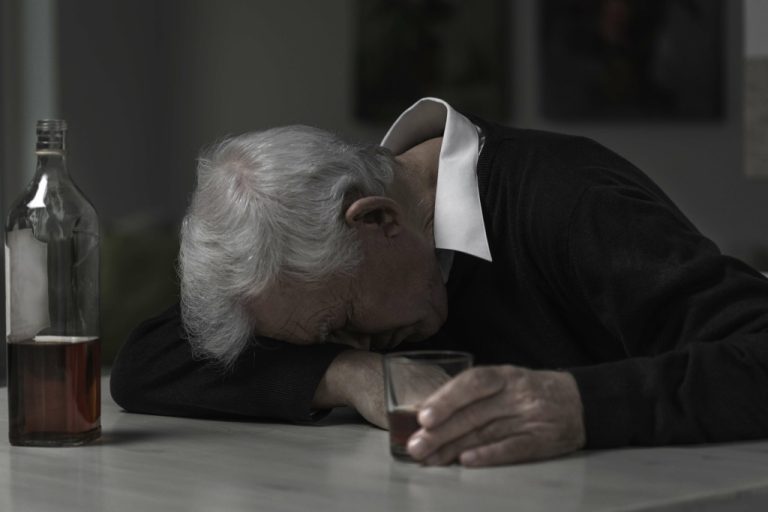
If the pain is caused by dehydration, the patient should be given fluids to rehydrate the body. If the pain is caused by increased uric acid levels, medications to https://ecosoberhouse.com/ reduce the uric acid levels may be prescribed. Finally, if the pain is caused by direct kidney damage, medications to reduce inflammation and protect the kidneys may be prescribed.
- Managing alcohol intake and staying well-hydrated are crucial steps in preventing kidney stones and maintaining overall kidney health.
- If you are experiencing any of these symptoms, contact your doctor as soon as possible so they can help control the damage.
- The loop of Henle concentrates urine by selectively reabsorbing water in the descending limb and sodium in the ascending limb, maintaining osmotic balance.
- Since day one, I have urinated far less than usual, and my creatinine level is now 3.9.
- Additionally, alcohol can interact negatively with medications prescribed for kidney disease, potentially diminishing their effectiveness or leading to harmful side effects.
Can alcohol cause kidney failure?

Furthermore, alcohol can disrupt the balance of hormones that affect the kidneys. Alcohol is often seen as a harmless recreational substance, but it can have serious health effects when consumed in excess. One of these effects is kidney pain, which can be caused by the toxic buildup of alcohol in the kidneys. In this article, we will explore the connection between alcohol and kidney pain, and discuss what can be done to prevent and manage this condition. Alcohol can also cause pancreatitis, inflammation of the pancreas. While not directly a kidney condition, pancreatitis can indirectly affect kidney function through widespread inflammation and significant fluid shifts.